Monkey Sitting in Train: A Designer's Review for Small Business Merch
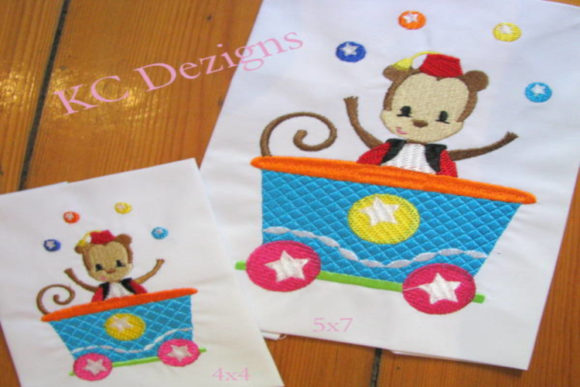
When I first opened the Monkey Sitting in Train machine embroidery design, I immediately recognized its potential for small business merchandise. The title alone suggests a playful, narrative-driven design that feels both friendly and approachable. As an embroidery designer who has reviewed hundreds of digital embroidery files for commercial use, I can tell you that this design carries a whimsical, hand-drawn charm that fits well in the Boys category while remaining versatile enough for broader audiences. The description mentions it is a machine embroidery design perfect for quilt blocks and other projects, but I see much more business value here. Let me walk you through how Monkey Sitting in Train performs across real small business applications, from embroidered patches to custom apparel.
First Impression: Playful, Friendly, and Full of Character
The first thing that strikes me about Monkey Sitting in Train is its storytelling quality. A monkey riding a train is inherently charming and invites curiosity. It does not feel overly polished or corporate; instead, it has a handmade, slightly rustic warmth that resonates with today's consumers who value authenticity. For a small café, a pet boutique, a creative studio, or a local bakery, this design could serve as a signature mark that says, "We are approachable, we care about craft, and we have a sense of humor." It does not scream luxury, but it does whisper premium handmade quality when executed with care. The design feels like it belongs on a tote bag, a staff apron, or a cap that customers will want to keep and wear. That is the kind of brand loyalty every small business owner dreams of.
Where Monkey Sitting in Train Shines in Business Use
From my experience testing designs for commercial embroidery, versatility is key, and Monkey Sitting in Train offers several strong applications.
Embroidered Patches for Branded Merchandise
This design translates beautifully into an embroidered patch. The monkey character and train elements provide enough visual interest to stand alone as a patch on a work shirt, a denim jacket, or a canvas tote bag. For a small business selling handmade products, an embroidered patch sewn onto packaging or a reusable bag adds a premium touch that customers notice. The design's playful nature makes it ideal for children's clothing lines, but do not limit it to that. Even a coffee shop could use a monkey-themed patch as a fun staff badge or a limited edition collector's item.
Cap Embroidery and Apron Designs
Cap embroidery requires designs that read well on a curved surface, and Monkey Sitting in Train has a compact, centered composition that adapts nicely. The train provides a horizontal anchor, while the monkey sits as the focal point. I would recommend testing it at a moderate size on the front of a cap to ensure the details remain crisp. For apron embroidery, this design adds character to a bakery or café staff uniform. Imagine a baker wearing an apron with a smiling monkey riding a train right above the pocket. It becomes a conversation starter and reinforces a friendly brand identity.
Tote Bag Designs and Product Labels
Tote bags are a staple of small business merch, and Monkey Sitting in Train works well as a central design element. The open space around the train allows for fabric texture to show through, which enhances the handmade feel. For product packaging, consider using this design as a small embroidered label on linen or cotton bags that hold your goods. It elevates the unboxing experience and makes customers feel like they are receiving something special. Etsy sellers and craft fair vendors will find this design particularly useful for building a cohesive product line.
Places to Use This Design with Care
No design is perfect for every surface, and Monkey Sitting in Train has some considerations that every small business owner should review before production.
Small Patch Sizes and Detailed Outlines
If you plan to stitch this design at a very small size, for example on a collar or a sleeve cuff, the details may become crowded. The train wheels, monkey face, and any small elements need enough room to remain distinct. Always test the embroidery file at your intended size on a scrap piece of fabric first. Check the stitch density; if the design has high stitch density, it may cause puckering on lightweight fabrics. Use a proper stabilizer to maintain shape, especially for patches that will be sewn onto bags or hats.
Curved Surfaces Like Cap Fronts
Cap embroidery demands a design that sits flat on a curve. Monkey Sitting in Train should be tested on a cap hoop system to confirm that the train does not distort or stretch oddly. If the design is too wide, it may wrap around the cap front in a way that makes the train look bent. Keep the width under 3.5 inches for most cap fronts. Also, consider the thread colors you choose; dark thread on a dark cap will hide the details, while bright contrasting colors make the monkey pop.
Dark Uniforms and Frequent Washing
For businesses that require frequent washing, like kitchen aprons or staff uniforms, examine the design's stitch count. High density can cause the fabric to shrink around the embroidery over time, leading to distortion. Use a quality cutaway stabilizer and test a wash cycle before committing to a large production run. The fabric texture also matters; smooth cotton or polycotton blends work best, while very textured fabrics like linen or heavy canvas may obscure fine details in the train wheels.
How Monkey Sitting in Train Affects Brand Identity and Customer Trust
Your choice of embroidery design directly influences how customers perceive your business. Monkey Sitting in Train projects a brand identity that is approachable, warm, and slightly whimsical. It is not a serious or corporate design, which is exactly what many small businesses need to stand out in a crowded market. A florist using this design on a tote bag signals creativity and joy. A handmade soap brand using it on an apron feels artisanal and friendly. A pet supply shop using it as a patch on staff uniforms creates an instant connection with animal lovers.
Consistency matters. If you use this design across multiple design assets, from your website mockups to your physical merchandise, you build visual recognition. Customers will associate the playful monkey with your brand, and that trust translates into repeat purchases. However, be mindful that the design's narrative style may not fit every industry. A law firm or a financial consultancy would not wear a monkey-themed patch, but a kids' boutique, a bakery, a craft brewery, or a toy store absolutely can. This design is a tool for businesses that want to appear human, accessible, and memorable.
Practical Embroidery Designer Notes for Production
Before you send this design to production, here are some steps I recommend to ensure a smooth workflow and a finished product that meets your quality standards.
- Test it in black and white first. Print the design as a line drawing and check the balance of elements. The monkey and train should be clearly distinguishable even without color. This helps you spot potential issues with overlapping or overly thin lines.
- Check if it works at a small patch size. If you plan to use this design as a 2-inch patch, examine the smallest details. The monkey's face, the train wheels, and any lettering or decorative lines must remain readable. If details blur, consider scaling up or simplifying the design in your software.
- Review thread color contrast. Choose thread colors that create clear separation between the monkey, the train, and the background. For example, a light brown monkey with a dark blue train on a white or cream fabric works well. Avoid using two similar shades next to each other, as they will blend together in the finished product.
- Inspect spacing and confirmation. Make sure the design has adequate negative space around the train and monkey. Crowded designs can look messy and unprofessional, especially on smaller items like caps or sleeve patches.
- Confirm hoop size and stabilizer choice. The description does not specify the hoop size, so measure your design dimensions and select a hoop that allows at least an inch of fabric around all sides. Use a medium-weight cutaway stabilizer for most fabrics, and a tear-away stabilizer only if the fabric is very stable and the design is not too dense.
- Test on real fabric. Always stitch a sample on the exact fabric you intend to use for production. This is non-negotiable for commercial embroidery. A test on cotton muslin will not behave the same way as a test on a twill cap or a linen tote bag.
- Create a mockup for client approval. If you are producing this design for a client, generate a printable mockup showing the design on a cap, apron, or tote bag. This helps the client visualize the finished product and reduces the risk of miscommunication. Many digital embroidery file buyers skip this step, but it is essential for building trust.
- Compare it beside other design assets. If you already have other embroidered pieces for your brand, place Monkey Sitting in Train next to them to ensure visual consistency. The design style, line weight, and overall aesthetic should complement your existing merchandise, not clash with it.
- Confirm commercial licensing before production. The description does not specify commercial use terms, so check the licensing agreement from the seller. If you plan to sell items featuring this design, ensure you have the right to use it commercially. Some digital embroidery files are for personal use only, and violating that can cause legal issues for your business.
Final Thoughts on Using This Design for Small Business Merch
Monkey Sitting in Train is a solid choice for small business owners, embroidery shops, and handmade brands that want to add a playful, narrative element to their merchandise. It works best on tote bags, caps, aprons, and embroidered patches, and it brings a friendly energy to staff uniforms and customer giveaways. The design is not suited for ultra-formal or highly professional settings, but for a café, a boutique, a bakery, or a creative studio, it is a perfect fit. The key is testing it thoroughly at your intended size and on your chosen fabric. Pay attention to stitch density, thread contrast, and hoop size, and always confirm commercial licensing before you start production. When executed well, this design becomes more than just decoration; it becomes a recognizable part of your brand identity that customers remember and return for.