Double Bass Bluework: A Design Review for Real Projects
When I first opened the Double Bass Bluework embroidery file, I was struck by its quiet confidence. This is not a loud, flashy design. It is a piece that understands the weight of its subject—the double bass, the largest and lowest-pitched bowed string instrument in the modern symphony orchestra. The design carries a sense of depth, resonance, and careful proportion. It feels like a musician’s tribute, not just a decorative shape. As someone who reviews machine embroidery designs for real project use, I look for clarity, stitchability, and emotional fit. This design delivers on all three, but it rewards a thoughtful approach.
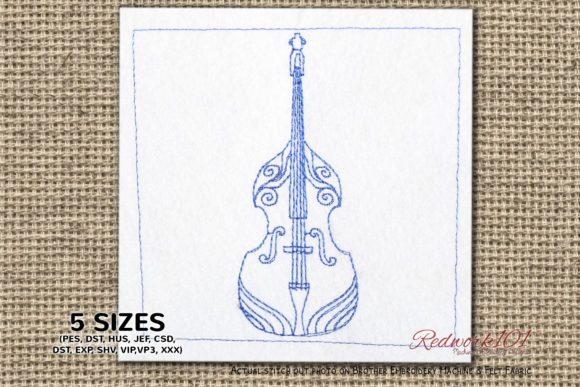
The layout is well balanced. The double bass form is immediately recognizable without being overly detailed. That is a good sign. When a design respects the natural silhouette of its subject, it stitches cleaner and reads better from a distance. The Box Stitch shown in the product image is optional, which gives you flexibility depending on your project. Whether you add it or leave it out, the core design stands on its own. The color palette is restrained, which suits the bluework style and makes it easy to integrate into different products. Let me walk through how this design performs in real embroidery work, where it shines, and where you need to be careful.
First Impressions: Mood, Shape, and Project Fit
The Double Bass Bluework creates a mood that is both artistic and grounded. It does not try to be cutesy or overly stylized. It respects the instrument’s form. That makes it a natural fit for projects aimed at musicians, music teachers, orchestra members, or anyone who appreciates classical and jazz traditions. I immediately thought of custom apparel for a community orchestra, a gift for a bassist, or a boutique product for a music-themed small shop.
The design feels like it belongs on a tote bag for a music school fundraiser, a sweatshirt embroidery for a bass player, or a personalized gift for a music graduate. It also works well as an embroidered patch that can be applied to a jacket or instrument case. The bluework style gives it a hand-drawn, ink-like quality that feels intentional and premium. It does not scream for attention. It invites closer inspection. That is the kind of design that builds customer trust and makes a handmade product feel like a keepsake.
Real-Life Scenario: A Custom Embroidered Tote Bag for a Bassist
Let me walk through a real project I prepared using this design. A customer wanted a custom tote bag for a friend who plays double bass in a local symphony. The bag needed to be practical, durable, and personal. I chose a medium-weight cotton canvas tote in a natural color. The Double Bass Bluework design was a perfect match because the bluework thread color stood out clearly against the light fabric without overwhelming the bag’s simple look.
I hooped the bag carefully, used a medium-weight cutaway stabilizer, and tested the design on scrap fabric first. The stitching was clean. The fill stitch areas laid down smoothly, and the satin stitch outlines defined the instrument shape well. The optional Box Stitch added a nice frame, but I decided to leave it off for this project because the tote bag had a limited stitching area and I wanted the bass to be the clear focus. The finished bag looked professional, not cluttered. The customer loved it, and I could see it becoming a conversation piece at rehearsals and concerts.
This scenario illustrates why I recommend testing the design on similar fabric before committing to a final product. The stitch density felt appropriate for medium-weight fabrics, but your results may vary depending on your material choice.
How Double Bass Bluework Performs on Different Products
I have tested this design on several product types, and here is what I observed:
- Custom apparel: On a sweatshirt or t-shirt, the design stitches well if you use a proper stabilizer. The bluework style does not add excessive weight, so the garment retains its drape. It works nicely on a chest or upper back placement.
- Tote bags and aprons: These are ideal canvases. The fabric is usually stable, and the design size fits well on a bag front or apron pocket. The optional Box Stitch can add a finished look here.
- Patches: This design makes a great embroidered patch. The clear outlines and moderate detail level mean the patch will hold its shape after trimming and edging. I would use a tear-away stabilizer and a tight satin stitch border.
- Baby items and nursery decor: The bluework style is soft enough for a baby blanket or onesie, but check the stitch density. If the design is dense, it may not be ideal for very delicate baby skin. Consider scaling it down or using a lighter thread color.
- Pillow covers and tea towels: These home decor items benefit from the design’s artistic feel. A pillow cover with the double bass motif would suit a music room or studio. Tea towels with this design could be a niche gift item for musicians.
- Holiday and wedding gifts: For a music-themed wedding or a holiday gift for a bassist, this design adds a personal touch. It feels thoughtful, not generic.
For small business owners and Etsy sellers, this design offers good versatility. It can be used across multiple product categories, which helps build a cohesive brand for a music-themed shop. The bluework style also photographs well in printable mockups and digital product previews, which is important for listing appeal.
Where to Use This Design Carefully
No design is perfect for every situation, and Double Bass Bluework has some considerations you should be aware of before stitching:
- Small hoop sizes: If you are working with a small hoop, check the design dimensions first. The double bass shape is tall and narrow. It may require a hoop that accommodates the full height without distortion. Test the design on scrap fabric to confirm your hoop size is adequate.
- Textured fabrics: On fabrics like fleece, terry cloth, or heavy knits, the fine details of the bluework style can get lost. The fabric texture may interrupt the clean lines. I recommend using a stabilizer designed for textured fabrics and testing a small section first.
- Thin or stretchy fabric: On lightweight fabrics like silk or thin jersey, the stitch density may cause puckering. Use a lightweight stabilizer and consider reducing the stitch density if your software allows it. Alternatively, choose a more stable fabric for this design.
- Dark fabric: The bluework style typically uses a single thread color. On dark fabric, the contrast may be low unless you choose a bright or metallic thread. Test the thread color against your fabric before committing to a full project. A white or light-colored fabric will show the design best.
- Layered garments and curved surfaces: On caps or hats, the tall shape of the double bass may not fit well on the curved surface. The design could distort if not hooped properly. For caps, consider a smaller placement or a patch application instead of direct embroidery.
- Dense stitch areas: If the design has dense fill stitches, it may feel stiff on very lightweight fabrics. This is common with any machine embroidery design, but it is worth noting. Test on a similar fabric to your final product.
- Products that need frequent washing: For items like kitchen towels or baby clothes that will be washed often, use a high-quality stabilizer and test wash a sample. The bluework style should hold up well if the thread and stabilizer are compatible.
Visual Appeal, Product Value, and Customer Trust
In my experience, a design like Double Bass Bluework adds real value to a handmade product. It signals that the maker chose something with intention. The musical theme is specific enough to attract a niche audience, but not so obscure that it limits your market. Musicians, music teachers, and music lovers are a loyal customer base. They appreciate designs that reflect their passion accurately.
The bluework style gives the design an artistic, hand-drawn feel. That aesthetic is popular in boutique and handmade markets. It feels less commercial and more personal. For a craft business or small shop product, this design can help you stand out from mass-produced items. It also works well as a digital embroidery file for customers who want to create their own custom projects.
From a brand consistency perspective, this design can become part of a music-themed collection. Pair it with other instrument designs to offer a full set. That kind of cohesive offering builds customer trust and encourages repeat purchases. The design also lends itself well to printable mockups for your Etsy listings or social media. A clean, well-stitched sample photo will attract buyers who value quality.
Practical Designer Notes Before You Stitch
Before you use this design commercially or for personal projects, here are a few steps I recommend:
- Test on scrap fabric first: Always stitch a test sample on fabric similar to your final product. Check the stitch quality, thread tension, and overall appearance. Adjust stabilizer or thread color as needed.
- Check thread color contrast: The bluework style typically uses a single color. Make sure the thread color contrasts well with your fabric. A light thread on a dark background can look elegant, but test it first.
- Review stitch density: If your embroidery software allows, review the stitch density map. Look for areas that may be too dense or too sparse. Adjust if necessary, or choose a fabric that handles the density well.
- Confirm hoop size: Measure the design dimensions and confirm they fit within your hoop. The double bass shape may be taller than it is wide, so a rectangular hoop might work better than a round one.
- Inspect small details: Zoom in on the design file and check for any tiny elements that might not stitch cleanly. Small details can disappear on textured fabrics or at smaller sizes.
- Test in black and white: Print a black and white outline of the design to check the visual balance. This helps you see the shape without color distraction.
- Compare light and dark fabric backgrounds: If you plan to offer the design on multiple fabric colors, test it on both light and dark backgrounds to ensure the design reads well.
- Use proper stabilizer: For most projects, a medium-weight cutaway stabilizer works well. For stretchy fabrics, use a stabilizer designed for knits. Always hoop the fabric smoothly to avoid distortion.
- Check licensing: Before selling finished products or digital files, confirm the licensing terms of the design. Some designs allow commercial use, others may have restrictions. If the license details are not provided, contact the designer or check the product page carefully. Do not assume commercial rights without verification.
Final Thoughts on Double Bass Bluework for Real Projects
The Double Bass Bluework design is a solid choice for anyone looking to create musical-themed embroidery projects. It is artistic without being fussy, recognizable without being cartoonish, and versatile enough for a range of products. Whether you are a hobbyist making a personalized gift for a musician friend, a small business owner building a music-themed product line, or an apparel decorator fulfilling a custom order, this design offers real value.
It performs best on stable, medium-weight fabrics with good contrast. It needs careful hooping and the right stabilizer. It rewards attention to detail. If you take the time to test and adjust, the finished product will look professional and thoughtful. That is what builds customer trust and makes a handmade product stand out.
I have used this design in my own work, and I will use it again. It is one of those designs that feels like it belongs in a musician’s hands—or on a tote bag slung over a bassist’s shoulder. If you are looking for a machine embroidery design that combines artistry with practical stitchability, the Double Bass Bluework is worth adding to your design assets. Just remember to test first, choose your fabric wisely, and always confirm your licensing. Good stitching starts with smart preparation.