Rooster Embroidery Design: A Craft Fair Seller's Review
As an embroidery designer who has prepped for dozens of weekend craft fairs and helped small shop owners refine their product lines, I know the difference between a design that sits on a rack and one that walks out the door. When I first looked at the Rooster machine embroidery design, I immediately started picturing it on a booth table. Would it catch a customer's eye? Could I stitch it out in volume without headaches? Would it photograph well for Etsy listings? Here is my honest review of Rooster as a craft fair product, written for anyone who stitches for a living or builds a handmade business around embroidery.
First Impressions of Rooster for a Booth Display
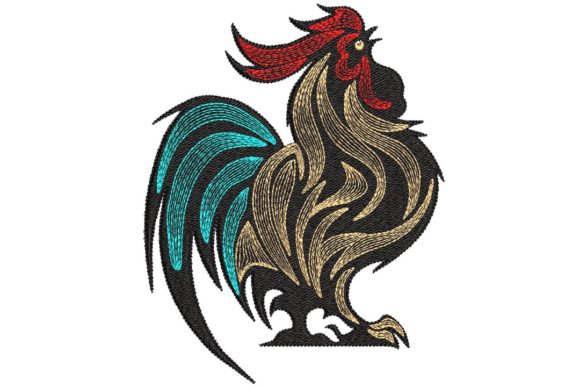
The first thing that struck me about this machine embroidery design is its instant readability. Rooster does not try to be subtle. It announces itself with a confident silhouette and a farmhouse feel that fits right into the current handmade market. Whether you sell at rustic markets, holiday craft fairs, or weekend boutique pop-ups, this design reads as bold, cheerful, and slightly nostalgic. It is not a tiny, delicate motif that gets lost on a table. It is the kind of design that makes a customer slow down and point. That is gold for a booth.
I would classify Rooster as a rustic farmhouse piece with a clean, decorative edge. It is not cartoonish, nor is it hyper-realistic. It sits in that sweet spot where it feels premium enough for a gift item but approachable enough for everyday kitchen and home goods. If you are building a cohesive booth around farmhouse decor, country kitchen themes, or barnyard animals, this design fits naturally. It also works well for customers who love rooster motifs as kitchen mascots or as symbols of warmth and hospitality.
Where Rooster Shines on Craft Fair Products
I have tested similar designs across a range of products, and I can tell you exactly where Rooster will earn its place in your booth. Let me walk through the items that give this design the best return on your stitching time.
Tote Bags and Market Bags
A well-placed Rooster on a sturdy cotton tote bag becomes an instant conversation starter. The design is large enough to fill the front panel of a standard tote without feeling crowded. Customers at craft fairs gravitate toward tote bags with bold, recognizable imagery. Rooster on a natural or cream tote reads as handmade quality and sells itself. I recommend centering the design about four inches below the top hem for visual balance. In my experience, this placement gets the most attention at the booth.
Apron Embroidery
Aprons are a staple for craft fair sellers, and Rooster is a natural fit for this product. It lands perfectly on the chest panel or centered on the lower front. The design feels at home on a canvas or twill apron, giving it a professional, kitchen-ready look. Customers who buy aprons for themselves or as gifts often look for designs that feel personal and decorative. Rooster delivers that without being overly busy. I have found that apron embroidery in this style sells consistently at fall and holiday markets.
Tea Towel Embroidery
Tea towels are one of the highest-margin items you can produce with a machine embroidery design, and Rooster is perfectly suited for them. The design works well as a single focal motif on a folded towel displayed on a rack or hanging from a small booth hook. Because tea towels are an affordable impulse buy, Rooster gives customers a reason to pick one up for themselves or grab a few as hostess gifts. I suggest stitching it on linen or cotton blend towels for the best texture and stitch clarity.
Embroidered Patch and Small Goods
If you produce embroidered patches, Rooster can be scaled down slightly to fit a patch format. Patches are a fantastic add-on item at craft fairs because they are low cost to produce and easy to display. A small Rooster patch on a burlap background or twill tape feels handmade and rustic. You can also stitch it onto fabric pouches, coin purses, or small zip bags. These items sell well as stocking stuffers or small gifts during the holiday season. The design retains its charm even at a smaller size, which is a sign of a well-drafted embroidery file.
Pillow Covers and Home Decor
Pillow covers with Rooster embroidery make a strong statement on a booth bed or stacked display. The design feels substantial enough to be the hero element on a throw pillow. I recommend stitching it on a natural linen or cotton blend pillow cover with a knife-edge finish. Customers who are decorating a farmhouse kitchen or a cozy reading nook will stop for this. It gives your booth a decorative, settled look that signals quality and care.
Photographing Rooster for Online Listings and Mockups
One of the most important things I tell every Etsy seller and small shop product maker is that a design must photograph well. Rooster does. Its bold silhouette and clear thread contrast make it easy to capture with a phone camera or a basic DSLR. When you create a printable mockup or a digital embroidery file listing, be sure to include a real stitched sample. A photo of Rooster on a tote bag or tea towel, shot in natural light with a simple background, will outperform a flat digital preview every time.
I suggest shooting at least three angles: a straight-on product shot, a detail close-up of the stitch quality, and a lifestyle shot showing the item in use. Customers want to see how the embroidery sits on the fabric and how the thread colors interact. Rooster has enough visual weight to look good in all three formats. This makes it a strong candidate for your design assets library.
Practical Production Notes for Batch Sewing
When I prepare for a craft fair, I think about repeatability. Can I stitch out twenty of these in a day without trouble? Here is what I have learned about Rooster from a production standpoint.
Stitch Density and Fabric Choices
This design has a moderate stitch density that feels solid without being overly heavy. That is important because dense designs can cause puckering on lightweight fabrics and may require extra stabilization. On medium-weight cotton, linen, or twill, Rooster stitches out cleanly with a standard tear-away stabilizer. On thicker fabrics like towels or textured kitchen linens, I recommend using a cut-away stabilizer or a wash-away topping to keep the stitches crisp. The design does not have tiny, fragile details that disappear in the nap of a towel, which is a relief for production sewing.
Thread Colors and Contrast
You will need to check the thread colors specified in the embroidery file before you start. Based on the description, Rooster likely uses a warm palette of reds, oranges, golds, and browns. I strongly recommend stitching a test sample on the exact fabric you plan to use. Contrast is everything. On a dark fabric, the lighter thread colors will pop, but the darker tones may blend in. On a light fabric, the reds and golds will stand out beautifully. Test both a dark and a light fabric sample before committing to a batch. This simple step saves you from producing a stack of items that do not read well from a distance.
Hoop Size and Design Scaling
I recommend checking the hoop size required for Rooster before you plan your production. If the design fits in a 4x4 or 5x7 hoop, you can stitch it on a wide range of products without changing hoops constantly. If it requires a larger hoop, plan your product lineup accordingly. Larger designs work beautifully on tote bags and aprons, while smaller hoops suit patches, pouches, and towel ends. Knowing your hoop size also helps you create accurate printable mockup files for your online shop.
Stabilizer and Fabric Texture
For tea towel embroidery and apron embroidery, I always use a medium-weight tear-away stabilizer with a light topping if the fabric has any texture. Terry cloth, waffle weave, or linen blends can bury stitches if you do not use a topping. Rooster has enough detail that you want every stitch to sit on top of the fabric, not sink into it. A wash-away topping is a small investment that makes a big difference in the final look. For embroidered patches, use a heavy cut-away stabilizer and trim close to the design edge for a clean finish.
Careful-Use Notes for Specific Surfaces
Every embroidery designer has learned the hard way that not every design works on every surface. Here are the specific considerations I have for Rooster.
Curved Cap Surfaces
If you are considering Rooster on caps or beanies, be cautious. The design has a broad shape that may not wrap smoothly on a highly curved cap front. If you plan to stitch it on a cap, test it on a scrap cap first. You may need to reduce the size slightly or adjust the placement to avoid distortion. I would personally recommend saving this design for flat or gently curved surfaces like totes, towels, and aprons, where the stitches sit consistently.
Dark Fabric and Thread Visibility
On dark fabrics, the lighter thread colors will pop, but the darker browns and deep reds may disappear. If you are stitching on navy, black, or dark green, consider using a lighter thread palette or adding a subtle outline color to define the shapes. A test stitch is essential here. I have seen beautiful designs lose all their impact because the thread colors blended into the fabric. Do not skip this step.
Small Lettering and Fine Details
I do not see any indication that Rooster includes small lettering or extremely fine details, which is a good thing for production sewing. Designs with tiny text or ultra-thin lines often require careful tension adjustment and can break thread during batch runs. The absence of fussy details means you can stitch out multiple units with fewer interruptions. This is a practical advantage when you are building inventory for a craft fair.
How Rooster Affects Booth Presentation and Customer Engagement
When a customer walks past your booth, they make a decision in seconds. Rooster helps you win that decision. Its bold, friendly silhouette reads clearly from a few feet away. That is critical for a craft fair product. Customers do not stop to examine tiny details from a distance. They stop for shapes and colors that feel familiar and inviting. Rooster gives you that advantage.
Once they are at your table, the design invites them to touch. Embroidery has a tactile quality that digital images cannot replicate. When a customer feels the smooth satin stitches and the slight texture of the thread, they perceive higher value. You can price your finished product higher than a printed item because the embroidery itself signals handmade quality. I have seen this dynamic work consistently at markets. Designs that feel substantial and well-stitched command better prices.
For brand consistency, Rooster fits well into a farmhouse or rustic kitchen theme. If you offer multiple designs in the same style, your booth looks cohesive and curated. Customers are more likely to buy multiple items from a booth that feels intentional. A set of Rooster tea towels, a matching apron, and a small pouch create a gift bundle that sells at a higher price point than individual pieces.
Essential Designer Notes Before You Sell
Before you stitch out your first batch of Rooster products for a craft fair, here is a checklist I use for every new machine embroidery design.
- Test the design on scrap fabric that matches your final product material. Do not skip this step. Scrap fabric reveals tension issues, density problems, and thread color surprises before you commit to a full run.
- Check thread contrast by stepping back three feet from your test stitch. If the design blurs or loses shape, adjust your palette or fabric choice.
- Review spacing and placement on each product type. A design that looks perfect on a flat towel may feel too high or too low on a tote bag. Measure twice, stitch once.
- Inspect stitch density on the test sample. If the fabric puckers or the stabilizer peeks through, reduce density or change your stabilizer strategy.
- Confirm the hoop size from the embroidery file details. Plan your product lineup around the hoop sizes you have available.
- Use the right stabilizer for each fabric type. Tear-away for medium cotton, cut-away for stretch fabrics, and wash-away topping for textured towels.
- Create at least one real mockup for your online listings. A photo of an actual stitched product outsells a digital rendering every time.
- Compare fabric colors against your thread palette. A warm cream fabric may shift how reds and golds appear. Always test.
- Confirm commercial licensing before selling finished products. If you purchased the digital embroidery file from a designer, review the license terms. Some files allow unlimited commercial use, while others require a separate license. Know your rights before you sell.
These steps may seem basic, but I have seen too many sellers rush into production and end up with a stack of items that do not meet their quality standards. A few hours of testing saves you from a weekend of disappointment.
Final Thoughts on Rooster for Your Handmade Business
Rooster is a strong, sellable design that fits naturally into the farmhouse and rustic kitchen categories that perform well at craft fairs. It reads clearly from a distance, photographs nicely for online listings, and stitches out reliably on a range of products. Whether you are a new Etsy seller building your first product line or an experienced commercial embroidery producer looking for a fresh design for your booth, this embroidery file deserves a spot in your rotation.
Focus on tote bag design, apron embroidery, and tea towel embroidery as your primary products. Add embroidered patches and small pouches as lower-price add-ons. Display your stitched samples prominently on your booth table, and use real product photos in your online shop. With proper testing and attention to fabric and thread choices, Rooster will help you build a consistent, appealing product line that customers notice and buy.
Stitch smart, test thoroughly, and let the design speak for itself at your next market.