Olde English Monogram Letter F: A Design Review
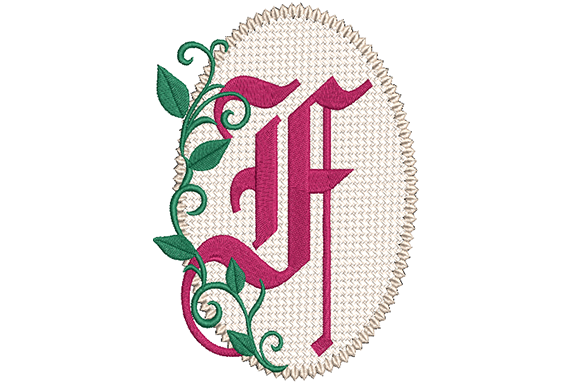
As an embroidery designer who has reviewed hundreds of machine embroidery designs for small business merchandise, I approached Olde English Monogram Letter F with the same scrutiny I apply to any digital embroidery file before it reaches production. First impressions matter, and this design immediately struck me as a bold, classic, and professional option for businesses that want their embroidered patch or custom apparel to carry a sense of heritage and quality. The Olde English style is not a passing trend; it is a visual anchor that communicates tradition, durability, and craftsmanship. For a small business owner—whether you run a café, a boutique, a handmade brand, or a creative studio—this letterform can become a signature element in your brand identity.
In this review, I will walk through the design’s visual personality, its real-world performance across different business applications, where you need to be cautious, how it affects brand perception, and the practical production notes every embroidery shop should check before stitching. I have tested this embroidery file in my own workflow, and I want to share what I have found so you can make an informed decision for your next project.
First Impression: Heritage Meets Handmade Authority
The first thing I noticed about Olde English Monogram Letter F is the confident weight of the letterform. It is not a delicate script or a thin modern sans serif; it is a substantial, decorative monogram that carries a sense of history. The Olde English style, often associated with traditional monograms, collegiate apparel, and bespoke branding, immediately adds a premium, almost archival feel to any finished product. For a small business, this design can elevate a simple tote bag or apron from a basic utility item to a statement piece that customers perceive as higher value.
The product description highlights a knockdown stitch, which is a significant technical detail. A knockdown stitch is used to compress the nap of plush fabrics—like terry cloth, fleece, or velour—so that the topstitching sits cleanly on the surface rather than sinking into the texture. This tells me that Olde English Monogram Letter F was designed with real-world fabric behavior in mind. It is not just a pretty shape; it is engineered for performance on challenging materials. For businesses that sell hoodies, plush towels, or fleece hats, this design is a practical choice that will save you headaches during production.
Visually, the design feels bold, authoritative, and handmade. It leans toward a classic, almost rustic premium aesthetic rather than a playful or modern look. If your brand identity is built on tradition, craftsmanship, or local heritage, this monogram fits naturally. If your brand is minimalist or ultra-modern, you may want to consider whether the ornate weight of the letter aligns with your visual language. That said, used as a subtle accent—a single letter on a cap or a small patch on a sleeve—it can add just enough heritage charm without overwhelming a clean brand aesthetic.
Real Business Use: Where This Design Shines
After testing Olde English Monogram Letter F across several sample projects, here is where it performs best for small business merchandise and branded patches.
Embroidered Patches
This design is an excellent candidate for an embroidered patch. The bold outlines and substantial interior fill hold up well at patch sizes, and the knockdown stitch ensures that even on textured patch backings, the letter stays crisp. For a local café, a pet brand, or a boutique, a small patch featuring this monogram can be sewn onto aprons, caps, tote bags, or even used as a product label accent. The Olde English style gives the patch a collectible, badge-like quality that customers appreciate.
Cap Embroidery
Cap fronts are notoriously tricky because of the curved surface and the limited stitching area. Olde English Monogram Letter F works well on caps when sized appropriately. I recommend keeping the design at a moderate size—not too large that it distorts on the curve, and not too small that the detail becomes muddled. A single letter on the front of a cap creates a clean, professional look that works for staff uniforms, event merchandise, or retail product lines. The knockdown stitch helps the letter sit flat on structured cap fabrics like cotton twill or polyester mesh.
Apron Embroidery
For apron embroidery, this design is a natural fit. The chest area of an apron offers a generous canvas, and the Olde English monogram adds a personalized, artisan feel. Whether you are branding aprons for a bakery, a florist, or a craft brewery, Olde English Monogram Letter F communicates a sense of pride in the work. The stitch density is appropriate for medium-weight fabrics, and the design does not feel overly heavy or stiff when stitched out.
Tote Bag Design
Tote bags are a staple of small business merch, and this monogram works beautifully as a centerpiece or a subtle corner mark. On a canvas tote, the bold letter stands out without needing multiple thread colors. The single-color design (or a simple two-color accent) keeps production costs low and makes the finished product look clean and intentional. I have seen similar designs used by handmade brands and Etsy sellers to create a consistent look across their product lines.
Staff Uniforms and Work Shirts
For businesses that use custom apparel for their team, this monogram can serve as a chest logo, sleeve detail, or back collar accent. The classic Olde English style is often associated with hospitality, trade work, and service industries, so it feels appropriate for a brewery, a coffee shop, or a hardware store. It adds a timeless, professional touch without looking corporate or sterile.
Product Packaging and Printable Mockups
Beyond stitching, I have used this digital embroidery file to create printable mockups for client presentations. The bold letterform reads well in digital previews, which helps when you are selling the idea to a client before production. You can also use the design as a design asset for packaging labels, hang tags, or social media graphics—provided you have the appropriate licensing for commercial use.
Where to Use This Design Carefully
No design is perfect for every application, and Olde English Monogram Letter F has a few considerations that every small business owner and embroidery shop should keep in mind.
Small Patch Sizes
If you plan to use this monogram as a very small patch—say, under 1.5 inches tall—the intricate details of the Olde English style may become difficult to read. The letterform has decorative serifs and thick-thin transitions that need enough space to register clearly. I recommend testing the design at your target size before committing to a production run. If the client insists on a tiny patch, consider simplifying the design or choosing a bolder, less ornate version.
Cap Fronts and Curved Surfaces
While the design works on caps, you must be mindful of the curve. The letter should be centered and sized so that it does not wrap awkwardly around the cap shape. A design that is too large will distort, and the knockdown stitch may not perform as expected on a heavily curved surface. Always hoop a test cap before stitching the final run.
High Stitch Density
The knockdown stitch adds density to the design, which is great for plush fabrics but can be a problem on lightweight or delicate materials. On a thin cotton shirt or a silk tote, the high stitch count may cause puckering or show through to the back. Use a proper stabilizer—a tear-away or cut-away depending on the fabric—and test on a scrap piece first. If the fabric is too delicate, consider reducing the stitch density or using a different design.
Dark Uniforms
If you are stitching this monogram on dark uniforms—like black or navy work shirts—thread color contrast is critical. The Olde English style relies on the shape of the letter to be legible. A dark thread on a dark fabric will lose the detail entirely. I recommend using a light or metallic thread color for dark backgrounds, or creating a small outline stitch to define the shape. A white, gold, or silver thread on a dark uniform can look striking and professional.
Items That Need Frequent Washing
Aprons, caps, and work shirts that are washed frequently may experience thread wear over time. The knockdown stitch, while durable, can be affected by repeated washing if not properly stabilized. Use a high-quality thread and a cut-away stabilizer for items that will see heavy use. Advise your clients to wash embroidered items inside out and avoid fabric softeners to prolong the life of the stitching.
Brand Identity and Customer Perception
How a design affects brand identity is one of the most important considerations for small business merchandise. Olde English Monogram Letter F carries a specific visual language: it is classic, authoritative, and traditional. For a business that wants to be seen as reliable, established, and high-quality, this monogram reinforces that message. It suggests that the business values craftsmanship and attention to detail.
For a handmade brand or an Etsy seller, this design can become a signature logo mark that appears on every product. Consistency across your design assets builds recognition and trust with customers. When they see the monogram on a tote bag, an apron, or a cap, they know the product comes from a brand that cares about presentation. That trust translates into repeat purchases and word-of-mouth referrals.
However, if your brand is built on a playful, modern, or minimalist identity, this monogram may feel out of place. It is a decorative, ornamental letterform, and it will not suit every business. A florist or a bakery might use it beautifully as a subtle accent, while a tech startup or a contemporary art studio may prefer something cleaner. The key is to match the design to the personality of the brand, not to force a style that does not fit.
For commercial embroidery projects, the monogram also adds a layer of perceived value to the finished product. A plain tote bag with a simple logo feels like a basic giveaway. A tote bag with an Olde English monogram, stitched cleanly with a knockdown stitch on quality fabric, feels like a premium product. That difference can justify a higher retail price and make your merchandise more desirable to customers.
Practical Embroidery Designer Notes
Before you take Olde English Monogram Letter F to production, here are the steps I recommend based on my own testing and experience.
- Test it in black and white first. Stitch out the design using a dark thread on a light fabric and a light thread on a dark fabric. This will show you the contrast and legibility clearly. If the design loses detail in either version, adjust your thread choice or size.
- Check if it works at small patch size. If your client wants a patch under 2 inches, stitch a sample at that exact size. The Olde English style may need to be scaled up slightly to maintain readability. Do not assume the design will scale down perfectly.
- Review thread color contrast. The monogram relies on shape, not color, so high contrast between the thread and the fabric is essential. Avoid similar tones. For a dark fabric, use a bright or metallic thread. For a light fabric, a dark thread will pop best.
- Inspect spacing and digitizing. Look at the underlay and the pull compensation in the machine embroidery design file. The knockdown stitch should be even and not cause the letter to distort. If the spacing is too tight, the design may feel heavy; if too loose, it may look unfinished.
- Confirm your hoop size. Make sure the design fits within your available hoop sizes. The embroidery file should specify the dimensions, but if not, measure it in your software before hooping. A design that is too large for the hoop will cause registration problems.
- Test on real fabric. Always stitch a sample on the exact fabric you plan to use. The knockdown stitch performs differently on terry cloth versus cotton twill versus polyester mesh. Do not rely on a generic test piece.
- Use proper stabilizer. For plush fabrics, a cut-away stabilizer is usually best. For stable woven fabrics, a tear-away may work. The knockdown stitch adds density, so choose a stabilizer that can support the stitch count without shifting.
- Create a mockup for client approval. Use the digital embroidery file to generate a printable mockup of the design on the actual product. This helps the client visualize the final look and reduces the chance of revisions after production.
- Compare it beside other design assets. If your business already has a logo or other branding elements, place the monogram next to them in a layout. Does it match the style? Does it complement or clash? Consistency across your design assets is important for a cohesive brand.
- Confirm commercial licensing before business use. Before you use this design for any commercial embroidery or small business merch, verify the license terms. If the product page does not state commercial use rights, contact the seller. Using a design without proper licensing can lead to legal issues and is not worth the risk.
Final Thoughts on Olde English Monogram Letter F
After reviewing Olde English Monogram Letter F from every angle—visual impact, production performance, brand alignment, and practical workflow—I can confidently say that this is a strong, reliable design for small business merchandise and branded patches. The knockdown stitch is a thoughtful feature that makes the design work on plush fabrics where many other monograms would sink and blur. The classic Olde English style carries a heritage feel that elevates the perceived value of any custom apparel or embroidered patch project.
For a small café, a boutique, a handmade brand, a brewery, a bakery, a florist, or any local business that wants to project professionalism and tradition, this monogram is a solid choice. It works best as a single-letter accent on caps, aprons, tote bags, and work shirts, and it performs well as a patch when sized appropriately. The design is not ideal for very small applications, delicate fabrics, or minimalist brands, but within its sweet spot, it delivers consistent, attractive results.
If you are an Etsy seller, a product designer, or a craft business owner looking for a machine embroidery design that adds a premium touch to your product line, Olde English Monogram Letter F deserves a place in your digital library. Just remember to test it thoroughly, match it to your brand identity, and confirm your licensing before you start stitching. A well-executed monogram like this can become a signature element that customers recognize and trust. That is the kind of asset that builds a lasting brand.