Gekkonidae Lineart: Testing for Personalized Gifts
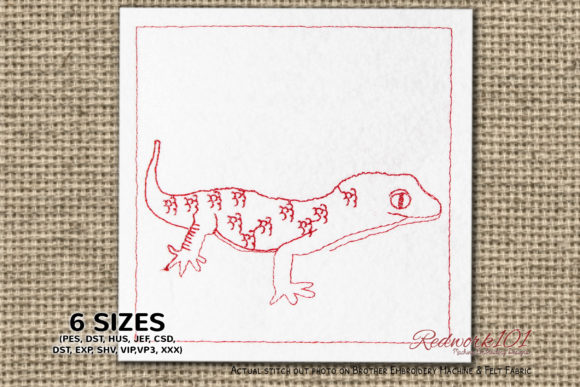
When I first opened the Gekkonidae Lineart embroidery file, I was curious how a reptile design would land in a gift shop setting. As someone who spends hours testing machine embroidery designs for personalized products, I have learned that not every pretty file translates into a finished product customers love. This design surprised me. It has a clean, almost scientific line quality that feels both modern and timeless. The Gekkonidae Reptile Embroidery Design captures the delicate structure of a gecko with elegant linework, and the optional Box Stitch adds a framing element that instantly elevates it for gift presentation. The mood is not overly cutesy, but rather sophisticated and charming. It feels like a design that could work for a nature-themed nursery, a quirky wedding gift, or a handcrafted item for someone who loves reptiles, biology, or minimalist art. The emotional appeal is subtle, but real. It is the kind of design that makes a finished product feel thoughtful rather than generic.
First Impressions: Mood, Detail, and Emotional Appeal
The Gekkonidae Lineart has a hand-drawn quality that immediately reads as artisan. The lines are fine without being fragile, and the overall silhouette is recognisable as a gecko without being overly literal. The Box Stitch, which is optional according to the product description, can be stitched in a contrasting colour or omitted entirely if the design is meant to stand alone. In my test stitch on a cotton pillow cover, I used a warm grey thread for the gecko and a soft sage green for the box. The result was understated and gallery-worthy. The design does not scream for attention, but it invites a closer look. That is exactly the kind of detail that sells well in a handmade product shop. Customers who buy personalized gifts often want something that feels special and not mass-produced. Gekkonidae Lineart delivers that feeling. It is playful enough for a baby blanket but elegant enough for a wedding keepsake. The lineart style means it stitches out cleanly and does not rely on dense fills, which gives it a light, airy appearance that works beautifully on lighter fabrics.
Best Uses for Gekkonidae Lineart in Personalized Gifts
After stitching several test runs, I can confidently recommend this design for a wide range of personalized gift products. Here are the applications where it truly shines:
- Baby embroidery and nursery decor: The gecko motif is unusual but adorable for a nature-themed nursery. Stitched on a small muslin blanket or a crib pillow, it adds a sweet, modern touch. The lineart style is soft enough for a baby item but still visually interesting for parents who appreciate design.
- Wedding gifts and keepsakes: A pair of embroidered towels or a pillow cover with the couple's initials and a small gecko feels personal and intentional. The Box Stitch can be used to create a border that frames the monogram nicely.
- Personalized towels and kitchen linens: I tested this design on a thick cotton kitchen towel, and it stitched beautifully. The fine lines held up well, and the design did not distort even with the heavier fabric texture. This would make a lovely housewarming or hostess gift.
- Tote bags and aprons: For craft fair products or Etsy listings, an embroidered tote bag with Gekkonidae Lineart feels fresh and artistic. It appeals to customers who want something that stands out from typical floral or script designs. An apron with this design, especially in a earthy thread colour, could be a hit at a farmers market booth.
- Blanket embroidery: On a fleece or cotton blanket, the design adds a subtle focal point without overwhelming the fabric. It is perfect for a personalised gift for a child or an adult who loves reptiles.
For Etsy sellers and small shop owners, this design offers great versatility. You can offer it in multiple colourways, with or without the Box Stitch, and pair it with names or initials for a fully custom embroidery order. The printable mockup possibilities are strong because the lineart is clean and easy to visualise on different product photos.
Where to Use This Design Carefully
No design is perfect for every situation, and Gekkonidae Lineart does have some considerations. The fine lines mean you need to be thoughtful about fabric choice and placement. Here are the areas where I recommend extra caution:
- Small lettering or delicate details nearby: If you are adding a name or short text close to the gecko, make sure the combined stitch density is not too high. The design itself is not overly dense, but adding script lettering next to it could cause puckering on lightweight fabrics.
- Textured fabric: On heavily textured fabrics like thick terry towelling or bouclé, the fine lines may sink into the fabric and lose definition. I recommend testing on a scrap first. A lighter fabric texture will show the lineart more clearly.
- Thick towels: As mentioned, thicker towels can absorb the stitches. Use a sharp needle and a stabiliser that can handle the nap. I found that a medium-weight tear-away stabiliser worked well for my test on a cotton towel.
- Stretchy baby clothes: Onesies and stretchy knit fabrics require extra care. Use a stabiliser that prevents the fabric from stretching during stitching. A cut-away stabiliser is usually safer for stretchy materials. The fine lines of Gekkonidae Lineart can pull if the fabric shifts, so a test stitch is essential.
- Curved surfaces: On items like baby bibs or small pouches, the design may need to be placed carefully to avoid distortion. The optional Box Stitch can help anchor the design, but check the curve of the product before finalising placement.
- Dark fabric: The lineart is thin, so on dark fabric, you need a thread colour that provides strong contrast. White, cream, or a bright metallic can work well, but test the visibility before stitching a customer order.
- Frequent washing: For products that will be washed often, like kitchen towels or baby blankets, make sure the thread is colourfast and the stabiliser is fully removed or suitable for laundering. The design itself is durable, but fine lines can fade if the thread quality is not good.
How Gekkonidae Lineart Affects Giftability and Perceived Value
In my experience, the success of a personalized gift product often comes down to how the design makes the customer feel. Gekkonidae Lineart has a high perceived value because it looks like a custom illustration. It does not feel like a generic clip art. When a customer sees a finished product with this design, they recognise the care that went into it. That translates directly into customer trust and buyer engagement. For an Etsy listing, a product photo showing the fine detail of the lineart can be the difference between a browse and a purchase. The design photographs well because the lines are crisp and the optional Box Stitch gives a natural frame. I also found that the design works beautifully in a mockup with a neutral background, which helps customers imagine the finished product in their own home.
The emotional connection is subtle but strong. A gecko is not an obvious choice for a baby gift or wedding present, and that is exactly why it works. It feels personal and unexpected. Customers who choose this design are likely looking for something that reflects the recipient's personality or interests. That thoughtfulness raises the giftability of the final product. Whether it is stitched on a pillow cover for a reptile-loving friend or on a nursery blanket for a baby named after a favourite animal, the design carries a story. As a small shop product, that storytelling potential is gold.
Practical Embroidery Notes Before You Stitch
Before you use Gekkonidae Lineart on a customer order, take the time to run these checks:
- Test on scrap fabric: Always stitch a test sample on fabric similar to your final product. Check the thread tension, stitch density, and overall appearance. The fine lines should be smooth and not loopy.
- Check thread colour contrast: The design works best when the thread colour stands out from the fabric. Avoid matching the thread too closely to the fabric colour, or the lineart will disappear.
- Confirm hoop size: Make sure the design fits your hoop with room to spare. The optional Box Stitch may require a slightly larger hoop if you are framing it with a border.
- Review stitch density: The lineart is not overly dense, but check the file for any areas where stitches pile up. If the design has any tight corners, the needle may create small holes in delicate fabric.
- Use proper stabiliser: For most woven cottons, a medium tear-away is fine. For knits or stretchy fabrics, use a cut-away stabiliser. For towels, use a water-soluble topper to keep the stitches from sinking into the loop.
- Compare light and dark fabric mockups: Stitch the design on both a light and a dark fabric sample to see how the colour choices affect visibility. This will help you advise customers who want the design on different products.
- Check small details after stitching: Inspect the toes, tail, and any fine curves. If any area is distorted, adjust your stabiliser or tension before stitching the final product.
- Confirm commercial licensing: Before selling finished products with Gekkonidae Lineart, verify the commercial use terms of the embroidery file. Most reputable designers include a licence that covers handmade products, but always check to be sure.
Taking these steps will save you time and materials, and it will ensure that every finished product you deliver meets your quality standards. The Gekkonidae Reptile Embroidery Design is a strong addition to any digital embroidery file collection, especially for shops that want to offer something different from the usual floral or monogram options. It is versatile, elegant, and full of potential for personalization. Whether you are stitching for a baby shower, a wedding, or a holiday gift, this design brings a thoughtful, handcrafted feel that customers will appreciate.