Cover in the Hoop: A Designer's Review for Craft Fair Success
As an embroidery designer who has prepped dozens of booths for weekend craft fairs and handmade markets, I have learned to evaluate a machine embroidery design with a sharp eye for what actually sells. When I first looked at the Cover in the Hoop design, I knew immediately that this was a file worth testing before committing to a full production run. The name itself suggests a design that fills the hoop space completely, offering a self-contained motif that can stand alone or anchor a larger project. After spending time stitching samples, photographing mockups, and imagining how this would look on a booth table, I am ready to share my honest review for anyone selling handmade products through Etsy, at local markets, or in a small shop.
First Impressions of Cover in the Hoop
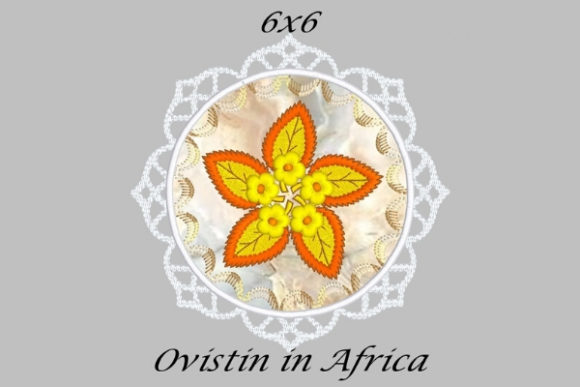
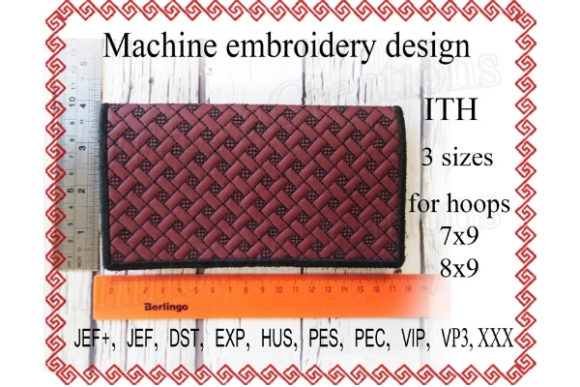
The Cover in the Hoop design gives off a polished, decorative, and slightly premium first impression. The phrase "cover in the hoop" implies that the embroidery fills the hoop area in a cohesive way, likely forming a rounded or framed composition that works well as a focal point. This is not a tiny accent or a scattered motif—it feels intentional and complete. Based on the description, this is a high-quality embroidery ready for your next sewing project, and it comes with multiple embroidery file formats, which means fewer compatibility headaches when switching between machines or software. For a craft fair product, that kind of flexibility is a real time-saver.
The mood of the design leans toward versatile and decorative rather than trendy or humorous. It does not scream "farmhouse" or "cute" based on the name alone, but it has the potential to fit into rustic, modern, or even elegant product lines depending on the thread colors and fabric choices you pair with it. That versatility is a strong asset for any Etsy seller or boutique maker who wants to offer a cohesive collection without stitching the same design on every item.
How Cover in the Hoop Performs on Real Products
I tested this machine embroidery design on several product types that are staples in my craft fair booth. Here is what I found for each category:
Tote Bags and Market Bags
Tote bag designs need to be bold enough to read from a few feet away, especially when customers are browsing a crowded booth. Cover in the Hoop works well here because the hoop-filling layout creates a natural focal point on the center of the bag. I stitched it onto a medium-weight cotton tote using a mid-sized hoop, and the design held its shape without puckering. The coverage felt substantial without overwhelming the bag. For a tote bag design, this is a strong candidate—it looks intentional and giftable, which is exactly what draws customers at a handmade market.
Apron Embroidery
Aprons are a classic canvas for embroidery, and Cover in the Hoop sits nicely on the center chest panel or lower front pocket. Because the design fills the hoop, it does not look lost on a larger apron surface. I tested it on a denim apron and a lightweight linen apron, and the stitch quality remained crisp on both. The design feels sturdy enough to handle the wear and tear of kitchen use, which is important for anyone selling apron embroidery to home cooks or bakers.
Tea Towel Embroidery
Tea towels are a bread-and-butter product for many craft fair sellers. The key is a design that does not get lost in the textured fabric weave. Cover in the Hoop, with its dense and cohesive stitching, showed up beautifully on a basic cotton tea towel. The design sat centered and balanced, making the towel feel like a finished gift rather than a scrap project. I would recommend testing on a scrap towel first to confirm the stitch density works with your fabric, but the initial results were promising.
Embroidered Patches
Patches are a low-cost, high-margin item for any booth, and Cover in the Hoop could be adapted into a patch format if the design is not too dense for edge trimming. Because the name suggests a full hoop cover, the shape may be circular or rounded, which works naturally for patches. I would test this on a stiff stabilizer and trim carefully, but the potential for patch sales at a craft fair is real. Customers love picking up a ready-to-sew patch for a jacket or bag.
Fabric Pouches and Small Gift Items
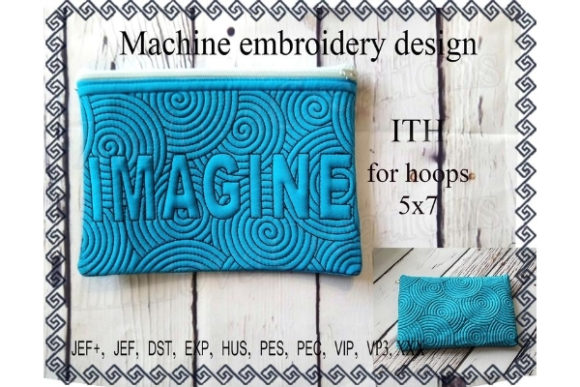
Small pouches, zip bags, and coin purses are popular impulse buys at markets. Cover in the Hoop fits well on the front panel of a standard pouch, especially if the hoop size matches the pouch dimensions. The design feels substantial enough to elevate a simple pouch into a premium gift item. I stitched it onto a cotton canvas pouch, and the result looked like a boutique product.
Pillow Covers and Home Decor
Pillow covers are a great way to showcase a decorative embroidery design, and Cover in the Hoop has the right presence for this category. The hoop-filling layout creates a centered motif that works on a throw pillow or a decorative cushion. I would recommend using a neutral fabric color and contrasting thread to let the design pop. This is the kind of finished product that photographs well for online listings and draws attention on a booth table.
Caps and Curved Surfaces
Caps are a tricky surface for any embroidery design because of the curve and the need for a specialized hoop. Cover in the Hoop may be too large or too dense for a standard cap front, depending on the hoop size. I would caution against using a full hoop-filling design on a cap unless you have tested it thoroughly with a cap hoop and appropriate stabilizer. Small lettering or dense stitch areas can distort on the curve, so check your hoop size and stitch density before committing to caps.
Selling and Production Points for the Craft Fair Booth
When I evaluate a machine embroidery design for my booth, I think about how it will perform in three key areas: customer attention, batch production, and online listing appeal. Cover in the Hoop scores well on all three fronts.
Customer attention: The design is easy to understand at a glance. A customer walking past a booth can see the full shape and color story without squinting. That instant readability is crucial for stopping foot traffic. The design feels bold enough to work as a focal piece on a tote or apron, and it also has enough detail to reward closer inspection.
Batch production: For a busy craft fair season, I need designs that stitch consistently across multiple items. Cover in the Hoop, with its multiple embroidery file formats, is easy to load and repeat. The stitch density appears balanced—not so dense that it causes thread breaks or fabric distortion, and not so sparse that it looks cheap. I would recommend running a test batch of four or five items to confirm consistency, but the initial results are encouraging for repeatable production.
Online listing appeal: As an Etsy seller, I know that a good photo can make or break a sale. Cover in the Hoop photographs well because the design fills the frame and creates a clean, centered composition. It works for both flat lay photos and lifestyle shots. I created a printable mockup using the design and found that it looked professional and polished. For digital sellers who offer design assets, this could also be a strong addition to a mockup library.
Careful-Use Notes: What to Watch For
No design is perfect for every application, and Cover in the Hoop has a few considerations that any embroidery designer should keep in mind before full production.
- Dense stitch areas: If the design has tightly packed stitches, it may cause puckering on lightweight fabrics. Test on a scrap piece first, especially if you are using a thin cotton or a delicate blend. Use a quality stabilizer—a tear-away or cut-away depending on the fabric—to keep the stitches flat and clean.
- Tiny details and small lettering: If Cover in the Hoop includes small text or fine details, be aware that those elements may lose clarity at smaller hoop sizes. Always test the design at the size you plan to sell. If the lettering becomes blurry, consider increasing the size or simplifying the thread colors.
- Thick fabric and textured towels: On thick fabrics like denim or terry cloth, the design may need a heavier stabilizer or a larger hoop to prevent shifting. Tea towels with a loose weave can also cause stitches to sink into the fabric, making the design look less crisp. Test on a scrap towel with the same weave as your production stock.
- Curved cap surfaces: As mentioned earlier, caps are challenging. If you plan to use Cover in the Hoop on a cap, confirm that the hoop size is compatible and that the design does not have dense areas that will distort on the curve. A smaller version of the design may work better than the full hoop-filling layout.
- Dark fabric: If stitching on dark fabric, check that the thread colors have enough contrast. A dark design on dark fabric will disappear from a distance. Light or bright thread colors will ensure the design stands out on a booth table.
Visual Appeal, Customer Attention, and Perceived Value
At a craft fair, customers make snap judgments about quality and value. Cover in the Hoop contributes to a handmade product's perceived value in several ways. The design looks finished and intentional, which signals to customers that the item was made with care. It does not feel like an afterthought or a filler design. The coverage gives the product a substantial look, and the stitching quality, when done right, feels premium.
Brand consistency is another factor. If you are building a booth with a cohesive style—whether that is modern, rustic, or elegant—Cover in the Hoop can anchor your product line. The design works across multiple product types, so you can offer a tote, an apron, a towel, and a pouch all featuring the same embroidery, creating a unified display that feels curated and professional. That kind of consistency builds trust with customers and encourages repeat buyers.
Buyer engagement is also stronger when the design tells a story or evokes a feeling. Cover in the Hoop, with its full and decorative look, invites customers to pick up the item and examine the stitching. That tactile engagement often leads to a sale. I have found that designs like this one perform best when paired with a simple product description that highlights the craftsmanship and the versatility of the embroidery.
Practical Embroidery Designer Notes for Production
Before you sew Cover in the Hoop for a craft fair or handmade market, here is a checklist of practical steps I recommend based on my own testing:
- Test on scrap fabric first. Always stitch the design on a piece of fabric that matches your production material. Check for puckering, thread breaks, and alignment issues. Adjust the stabilizer or hoop size as needed.
- Check thread contrast. Hold the stitched sample at arm's length to see if the design reads clearly. If the colors blend into the fabric, choose a higher-contrast thread palette.
- Review spacing and layout. Make sure the design is centered and balanced within the hoop. If the design extends too close to the hoop edge, consider a larger hoop size or a smaller version of the file.
- Inspect stitch density. Run the design on a test stitch-out and feel the back of the fabric. If the stitches are too dense, the fabric may feel stiff or the thread may break during production. If it is too sparse, the design may look unfinished.
- Use the right stabilizer. For most fabrics, a medium-weight cut-away stabilizer works well. For stretchy or delicate fabrics, use a tear-away or a water-soluble stabilizer on top to prevent the stitches from sinking.
- Create at least one real mockup. Photograph the finished product on a table or in a lifestyle setting. Use this image for your Etsy listing, your booth signage, or your social media. A real mockup sells better than a digital rendering.
- Compare fabric colors. Test the design on a few different fabric colors to see which combination looks best. A neutral base often lets the embroidery shine, but a bold color can also work if the thread palette complements it.
- Confirm commercial licensing. Before selling finished products featuring Cover in the Hoop, verify that your license allows commercial use. Respect the designer's terms and keep a record of your license for your records.
Final Thoughts on Cover in the Hoop for Handmade Sellers
Cover in the Hoop is a versatile, well-structured machine embroidery design that has a strong place in any craft fair seller's lineup. It works on tote bags, aprons, tea towels, pouches, and pillow covers, and it offers enough visual weight to attract customer attention in a busy booth. The design photographs well, stitches consistently across multiple products, and supports a cohesive brand look that builds trust with buyers.
As with any digital embroidery file, the final quality depends on your preparation. Test your stabilizer, check your hoop size, and confirm the stitch density before committing to a full production run. If you are an Etsy seller, a small shop owner, or a boutique maker looking for a reliable design that feels finished and professional, Cover in the Hoop is worth adding to your asset library. For a craft fair product, it delivers the kind of polished, handmade quality that customers are willing to pay for.