Card Case in the Hoop Paw with Claws
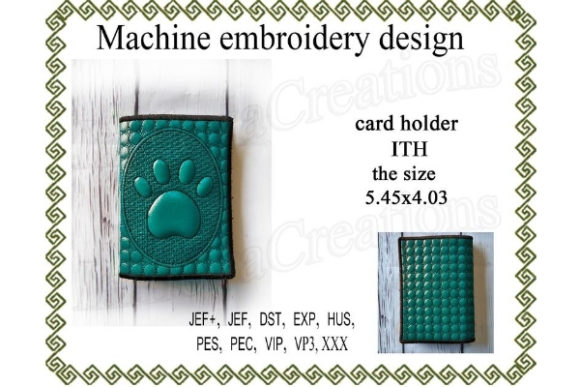
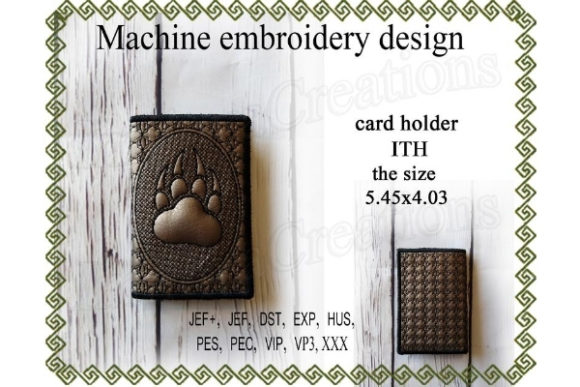
When I first opened the embroidery file for Card Case in the Hoop Paw with Claws, I was struck by how well the design balances a playful animal motif with a practical, everyday accessory. The paw shape is immediately recognizable, and the claws add a subtle edge that keeps it from feeling too cutesy. This is a machine embroidery design that knows exactly what it wants to be: a quick, high-impact project that works for both personal gifts and small shop merchandise.
The mood here is friendly but not childish. The paw outline is clean, the claw details are understated, and the overall shape feels substantial enough to stand alone on a card case without needing extra filler elements. For an embroidery designer reviewing a file for real use, that first impression matters. This design reads as finished, not like a sketch waiting for more work. It gives you a strong foundation to build a product around.
A Real Project Test: Custom Tote Bags for a Pet Boutique
I recently used this design to prepare a small batch of custom tote bags for a local pet supply shop. The owner wanted something that felt rugged but approachable, and the Card Case in the Hoop Paw with Claws fit that brief perfectly. I stitched it onto mid-weight canvas totes in a warm cream color, using a dark brown thread for the paw outline and a slightly lighter brown for the claws. The satin stitch on the paw pads came out crisp, and the fill stitch on the main paw shape covered evenly without puckering.
The shop owner was thrilled with how the finished totes looked on the retail floor. Customers commented on the detail of the claws, which is exactly the kind of reaction you want from a design that needs to justify the price of a handmade product. This design does not shout for attention, but it rewards a closer look. That is a strong quality for any embroidery project meant to be sold or gifted.
Where This Embroidery Design Performs Best
In my testing, Card Case in the Hoop Paw with Claws works beautifully across a range of product types. Here is where it really shines:
- Custom apparel – Sweatshirts and t-shirts in cotton or cotton blends take the stitch density well. The paw shape stays recognizable even on slightly textured fabrics like fleece.
- Tote bags and accessories – This is the natural home for the design. The card case format is already in the name, but it also works on aprons, pillow covers, and even simple pouches.
- Baby and kids items – The paw motif is friendly without being babyish, which makes it suitable for children's clothing, blankets, and nursery decor. The claw details add just enough personality to feel intentional.
- Embroidered patches – Because the design is self-contained with a clear outline, it converts to a patch easily. I tested it on twill with a fusible backing, and the edges trimmed cleanly.
- Holiday and personalized gifts – Pet owners love this kind of motif. I stitched it onto a set of kitchen towels for a friend who has rescue dogs, and the reaction was immediate. It is the kind of design that feels personal without being overly specific.
For small business owners and Etsy sellers, this design offers solid versatility. It can be marketed as a pet-themed accessory, a quirky gift item, or a subtle animal motif for everyday use. The visual personality is broad enough to appeal to different customer segments, which is always a plus when you are building a craft business.
Areas Where You Should Use Caution
No design is universal, and Card Case in the Hoop Paw with Claws has a few limitations worth noting before you commit to a production run.
- Very small hoop sizes – If you are working with a mini hoop or a compact machine, check the file dimensions first. The claw details need enough room to register clearly. Shrinking the design too much will blur the satin stitch and make the claws look like blobs.
- Thin or stretchy fabric – Lightweight knits and silky fabrics require careful stabilizer choice. The fill stitch areas can pull if the fabric is not properly supported. I recommend a tear-away or cut-away stabilizer depending on the garment.
- Dark fabric – The paw outline is the main visual anchor. If you stitch on black or very dark fabric, make sure your thread color contrasts strongly. A white or bright thread works best. Dark-on-dark will lose the claw detail entirely.
- Curved surfaces like caps – The design is not inherently curved, so you will need to hoop carefully and possibly adjust the placement. The flat shape of a card case translates well, but a curved cap brim may distort the paw if you are not precise.
- Dense stitch areas – The fill stitch on the main paw is moderate, but always test on scrap fabric first. If your machine has a tendency to skip stitches on dense areas, slow down the speed and check tension.
These are not dealbreakers, but they are the kind of real-world considerations that separate a smooth embroidery project from a frustrating one. Always test the embroidery file on a sample before stitching final products.
How This Design Affects Product Value and Customer Trust
One of the underrated aspects of a good machine embroidery design is how it influences the buyer's perception of quality. The Card Case in the Hoop Paw with Claws has a clean, deliberate look that signals care and attention. When a customer sees a card case or a tote bag with this design, they do not see a generic clip art paw. They see a handmade product that was planned and executed with intention.
That perception directly affects your pricing power. A well-stitched paw with clear claw details feels like a premium item, even if the materials are humble. For Etsy sellers and boutique owners, this kind of design helps build brand consistency. If you offer a collection of pet-themed accessories, having a unified design language across your products makes your shop look curated rather than random.
Giftability is another factor. Personalized gifts with this design feel thoughtful. The claw detail is quirky enough to be memorable but not so niche that it limits the recipient. I have used it for birthday gifts, holiday presents, and even a housewarming item for a friend who loves animals. Every time, the reaction included a comment about the claws. That small detail is what makes the design stick in someone's mind.
Practical Designer Notes Before You Stitch
Here are the notes I keep in my own project binder after working with this design. If you are a craft business owner or a hobbyist looking to sell finished products, these will save you time and thread.
- Test on scrap fabric first – Always. Run a sample on a fabric similar to your final product. Check the stitch quality, the thread color contrast, and the overall size.
- Review thread color choices – The paw outline benefits from a darker, more saturated thread. The claws can be a shade lighter or a complementary accent. Avoid using the same color for both the paw and the background fabric.
- Check stitch density – If the fill stitch feels too dense for your fabric, consider reducing the density in your software or switching to a lighter stabilizer. For most medium-weight fabrics, the default density works well.
- Confirm hoop size – Make sure your hoop can accommodate the full design without cramping. If you are unsure, measure the design dimensions before you start.
- Inspect small details – The claws are the most delicate part. If they are not stitching cleanly, check your needle size and thread tension. A sharp, new needle makes a difference.
- Test in black and white mockups – Before committing to thread colors, print a black and white mockup of the design. This helps you see the shape and layout without the distraction of color. It also helps you catch any alignment issues.
- Compare light and dark fabric backgrounds – Stitch the design on both a light and a dark fabric sample. See how the contrast changes. This will inform your product listings and help you advise customers who order custom items.
- Use proper stabilizer – For most applications, a medium-weight cut-away stabilizer is a safe choice. For stretchy fabrics, use a stabilizer with more hold. For tote bags and aprons, a tear-away works well.
- Check licensing before selling – If you plan to sell finished products featuring this design, or if you intend to redistribute the digital embroidery file itself, confirm the license terms. Some designs are for personal use only, while others allow commercial use. Always verify before listing items in your shop.
These steps might seem basic, but I have seen enough rushed projects go wrong to know that skipping the test phase is the fastest way to ruin good materials. Take the time to dial in your settings, and the final product will reflect that care.
Final Thoughts on Adding This Design to Your Rotation
The Card Case in the Hoop Paw with Claws is a solid addition to any embroidery designer's library, especially if you work with personalized gifts, boutique accessories, or pet-themed merchandise. It is not a design that tries to do too much. It stays in its lane, executes the paw and claw motif cleanly, and gives you a finished product that looks intentional and professional.
For small business owners and Etsy sellers, this design offers a reliable return on investment. It stitches well on a variety of fabrics, fits naturally into a product line, and connects with customers who appreciate detail. It is also the kind of design that works across seasons, which is always a practical consideration when you are building a craft business.
If you are a hobbyist looking for a quick project that feels rewarding, the card case format is a satisfying one. You can stitch one in an evening, and the result is a functional, giftable item that people actually use. The paw with claws motif adds a touch of personality without overwhelming the object.
Ultimately, this is a machine embroidery design that respects your time and your materials. It does not require heavy editing or extensive troubleshooting. It comes out of the hoop looking like it belongs in a shop. That is a high compliment from someone who spends a lot of time testing embroidery files for real use.
Add it to your collection, test it on your favorite fabrics, and see how it performs in your own workflow. I suspect it will earn a regular spot in your project rotation, just as it has in mine.